
Winter in Toronto brings beautiful snow, frosty mornings, and a higher chance of catching colds or flu. The cold season changes how our bodies respond to viruses and can influence how well our immune system functions. Scientific research shows nutrition is closely connected with immune response and resistance to infection. Nutrients act as building blocks and energy sources during each step of the body’s defense against pathogens and diet quality impacts immune cell function and inflammation levels.
At the same time, shorter daylight and less sun exposure during Ontario’s winter months can lead to lower vitamin D levels which are known to affect immune regulation and respiratory infection outcomes. Many Canadians experience peak vitamin D insufficiency in winter which may make the body more vulnerable to seasonal illnesses if intake is not supported by diet or supplementation.
This article blends evidence from research, public health insights, and practical nutrition advice so you can make smart, enjoyable choices to support your wellbeing through chilly months and beyond.
Nutrient Foundations for Winter Immune Health
Immunity is not something you turn on with a single food or pill. What helps is consistent nourishment that supplies essential vitamins, minerals, antioxidants, and protein to keep your immune cells functional and your body ready to respond to seasonal challenges. Working with a dietitian Toronto can help you identify nutrient gaps and optimize your daily intake.
Key nutrients your immune system uses
• Vitamin C supports white blood cell function and acts as an antioxidant to reduce cellular damage
• Vitamin D is involved in immune regulation and activation of pathogen fighting cells
• Zinc supports development and function of immune cells
• Protein provides amino acids that immune cells use for repair and response
Evidence highlights that deficiencies in these nutrients can weaken immune responses and make infections more likely or more severe. Routine supplementation beyond correcting deficiency does not guarantee greater resistance to infections in otherwise healthy adults
Food first, abundant and varied
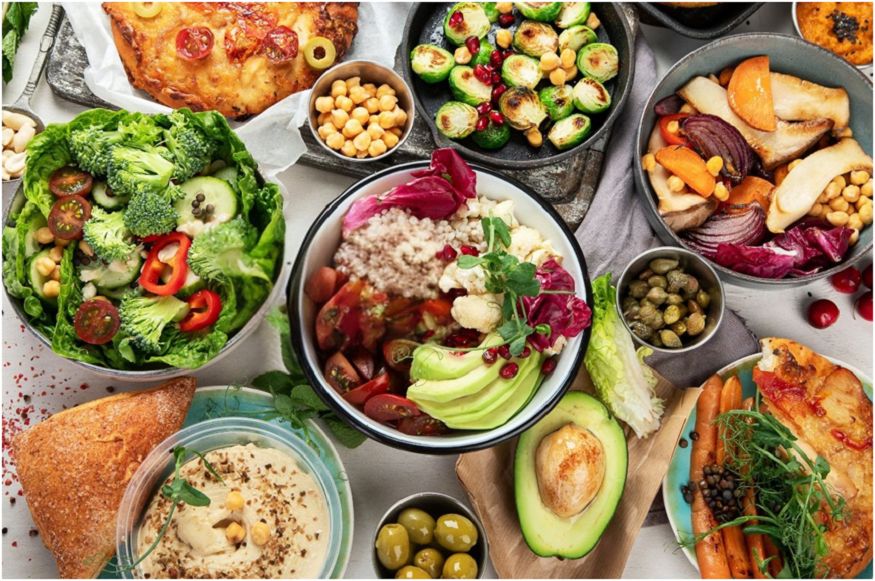
• Fruits and vegetables rich in vitamin C include citrus, kiwi, bell peppers, and berries
• Fatty fish like salmon and sardines, fortified dairy, and egg yolks boost vitamin D
• Oysters, beans, nuts, seeds, and whole grains supply zinc
• Lean proteins such as poultry, legumes, and tofu provide amino acids for immune cell synthesis
Eating colourful meals that include these components builds your nutritional foundation and supports overall health over time. If you are unsure how to implement these foods daily, a dietitian Toronto can guide portion sizes, meal timing, and winter friendly recipes. You can also find a dietitian in Toronto to help create an individualized winter nutrition plan that fits your lifestyle.
Toronto Friendly Winter Foods
• Hearty soups with dark leafy greens and legumes
• Smoothies with frozen berries and citrus
• Oven roasted salmon with roasted roots and seeds
Eating a rainbow of foods also supports beneficial gut bacteria which are part of your immune system because gut associated tissues interact closely with immune pathways. Consulting a dietitian Toronto can help you include fermented foods and other gut friendly options safely. If you want guidance, you can find a dietitian in Toronto to help incorporate these foods in a practical way for your week.
Hydration and Warm Seasonal Choices
• Water intake can decrease when it is cold but hydration supports circulation and mucosal health
• Warm herbal teas, bone based broths, and water rich fruits support hydration
Skin and respiratory passages dry out in cold, dry air. Fluids help keep those first defensive barriers resilient
Lifestyle Allies of Immune Strength
Nutrition does not work alone. Immune strength in winter works best when combined with solid sleep, regular movement, stress management, and good hygiene habits
Sleep matters as much as supper
• Adults need around seven to nine hours of sleep nightly
• Regular sleep synchronizes immune regulators like cytokine production
• Consistent sleep schedules help your body maintain immune memory and response processes
Short or disrupted sleep is linked to lower immunity and higher incidence of respiratory infections
Movement keeps cells circulating
• Moderate physical activity increases circulation of immune cells
• Even indoor routines like brisk walking, yoga, or stairs help
Movement also reduces stress hormones that can dampen immune capacity
Stress management and immune resilience
• Chronic stress alters immune regulation through cortisol pathways
• Mindful practices like breath work, meditation, or gentle stretching can help your body recalibrate
Good hygiene remains vital
• Handwashing with soap and water for twenty seconds removes germs that cause winter illnesses
• Cleaning high touch surfaces and using sanitizer when needed reduces transmission risk
These simple practices paired with strong nutrition patterns build a robust environment that supports your body through winter community exposures. If you want personalized tips, a dietitian Toronto can help you integrate lifestyle and nutrition strategies effectively. You can find a dietitian in Toronto to guide you with tailored routines that combine diet, sleep, and movement.
Strategic Supplements for Winter
Supplements can fill gaps when food alone is not enough especially in Toronto’s long winters but they are not substitutes for a nutrient rich diet or lifestyle
Vitamin D supplementation
• Because Toronto’s winter sun does not reliably produce vitamin D through skin, many adults benefit from supplementation after discussing with a healthcare provider
• Vitamin D status is linked with respiratory infections in some contexts although supplementation effects vary
Zinc and vitamin C
• Zinc supports immune cell communication
• Vitamin C may shorten the duration of colds when consumed regularly although it does not prevent them for most people
Probiotics and gut immune link
• Certain probiotic strains show potential for supporting immune balance through gut associated lymphoid tissues
• Fermented foods like yogurt, kefir, or miso add live cultures
Choose supplements thoughtfully under guidance from a registered clinician or dietitian because your needs vary with age, health status, and existing nutrient levels. Working with a dietitian Toronto ensures supplement doses and combinations are safe and effective. You can also find a dietitian in Toronto to help assess your supplement needs.
Toronto Winter Nutrition Habits You Can Use Every Day
• Start your morning with vitamin C rich fruit and whole grain toast
• Include a source of protein at each meal to support immune cell production
• Add seeds and nuts to salads or oatmeal for zinc and healthy fats
• Stay active with indoor classes or outdoor winter walks when safe
• Make hydration a daily rhythm with water bottles and warm teas
Sensible, evidence based habits compound into meaningful immunity support. True winter wellness is not about perfection it is about consistency
Mindful Eating and Mental Wellbeing in Winter
Winter months can affect appetite, mood, and eating patterns due to shorter days, colder temperatures, and seasonal stressors. Mindful eating is a powerful tool to maintain balanced nutrition while supporting mental health.
- Pay attention to hunger and fullness cues to avoid overeating or undereating
• Include comfort foods wisely, combining them with nutrient rich ingredients like vegetables or whole grains
• Schedule meals and snacks at regular intervals to maintain energy levels and avoid dips in blood sugar
• Engage in cooking as a therapeutic activity; preparing warm meals can reduce stress and create a sense of accomplishment
Research shows that combining mindful eating practices with nutrient dense meals improves both psychological wellbeing and immune resilience. A dietitian Toronto can help develop mindful eating strategies, suggest winter friendly foods that boost mood, and offer tips for managing cravings. You can find a dietitian in Toronto to work with you on maintaining mental and physical health during the colder months.
Local Support and Dietitian Guidance
If you are looking to personalize your nutrition plan to match your health goals or want tailored support, connecting with a dietitianToronto expert makes a big difference. A dietitian Toronto provides individualized guidance based on your lifestyle, medical history, and seasonal needs. If you want to find a dietitian in Toronto who can create custom meal plans, clarify supplement questions, or troubleshoot winter energy dips, exploring Empowered Eating Nutrition and Wellness’s services is a good next step. You can find a dietitian in Toronto by visiting their service page or book a free 20 minute discovery call to talk to a registered dietitian and get personalized feedback that fits your life
Nutrition in winter does not need to feel like a chore. With evidence supported strategies, small warm routines, and professional guidance when needed, you can make the season nourishing and resilient
Disclaimer
This article is for educational purposes only. It is not a substitute for professional medical diagnosis or treatment. Consult your health care provider or a registered dietitian for personalized medical advice, assessment, and guidance.